In April 2025 Meta replaced impressions with views as the main measure of how often Instagram content is seen. Views count every time your post, reel or story is displayed, including replays, so the numbers aren't directly comparable with the impressions in older reports. For a business, the useful questions haven't changed: who saw it, who engaged, and which content works best.
What changed and when
Meta started moving its metrics to views across Facebook and Instagram, and deprecated the old impressions metric in its API in April 2025. Reporting tools followed. Since the change, views include replays, which is one reason they can run higher than the impressions you saw before for the same kind of post.
Why your old and new reports don't line up
- Different definitions. Impressions and views were counted differently, so a month reported in impressions can't be compared like for like with a month in views.
- Replays count. A reel watched three times by one person adds three views.
- Still settling. Meta has described the metric as still developing, and boosted posts in particular can show inconsistent numbers.
The practical fix: draw a line at the switch, and compare months on the same metric. Reach (the number of unique accounts that saw your content) works across both periods and is a good anchor.
The Instagram numbers that matter for a business
| Number | What it tells you |
|---|---|
| Reach | How many different people saw your content |
| Views | How often your content was displayed, including replays |
| Engagement (likes, comments, saves, shares) | Whether people cared enough to react |
| Posting frequency | Whether you are showing up consistently |
| Performance by format and theme | Which kinds of posts are worth making more of |
Likes on their own are a weak signal. Saves and shares usually mean the content was useful or entertaining, and comments show it started a conversation.
Boosted vs organic
A boosted post buys extra views and reach, so judge it against similar organic posts on engagement rate and on what happens next, such as enquiries or website visits. If boosted posts only add views, the money may work harder in a proper ad campaign.
See your content on a calendar
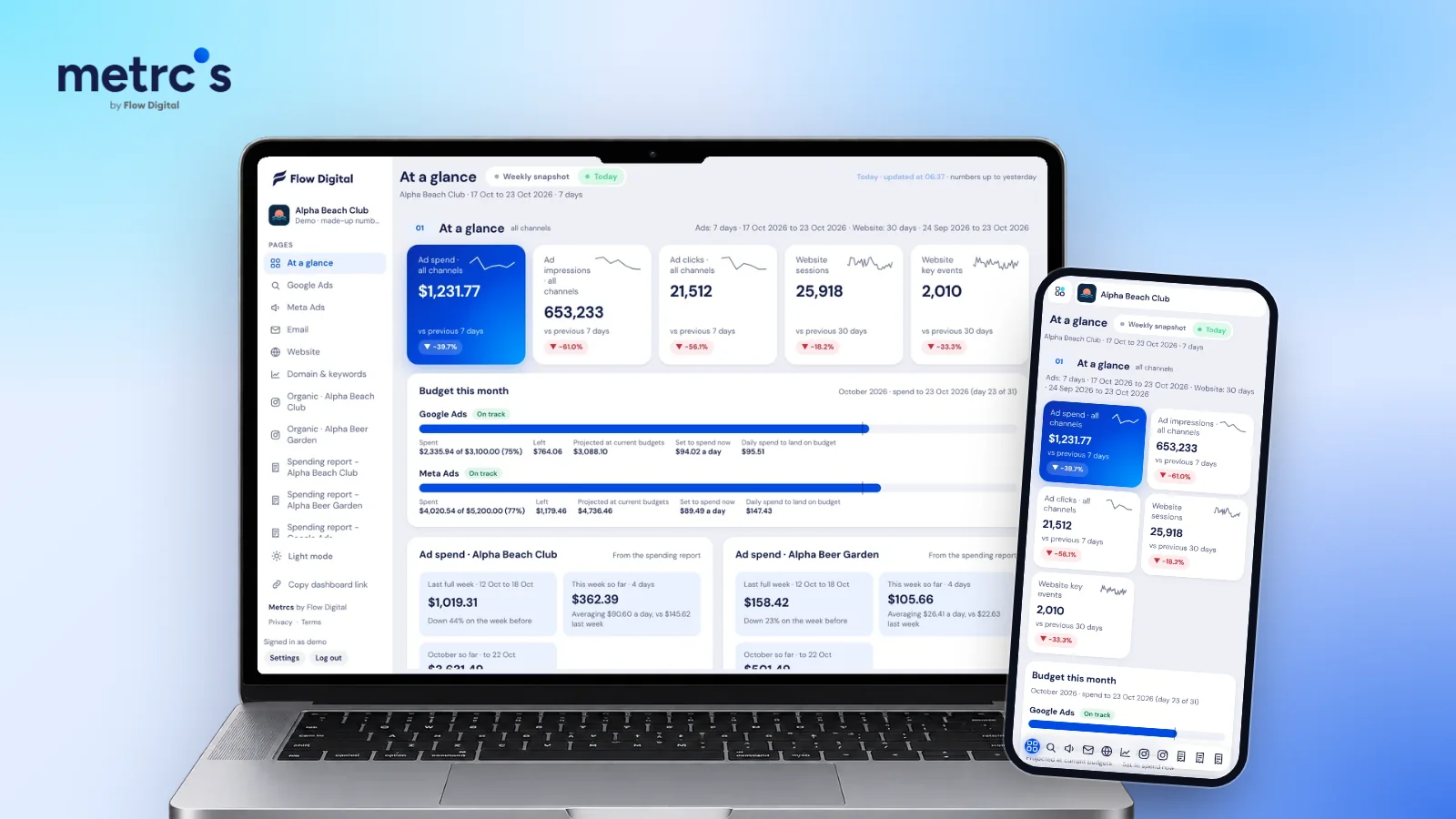
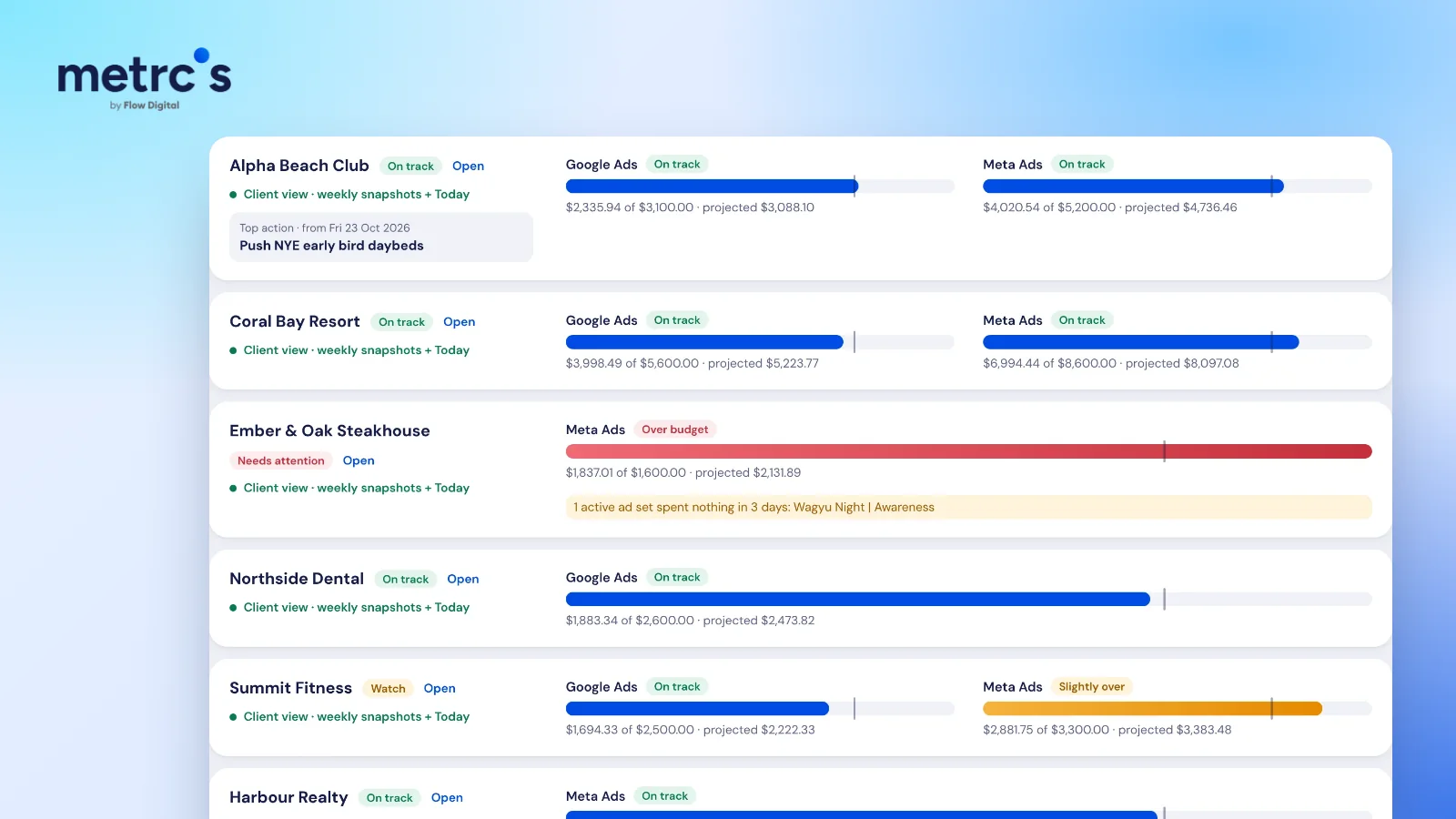
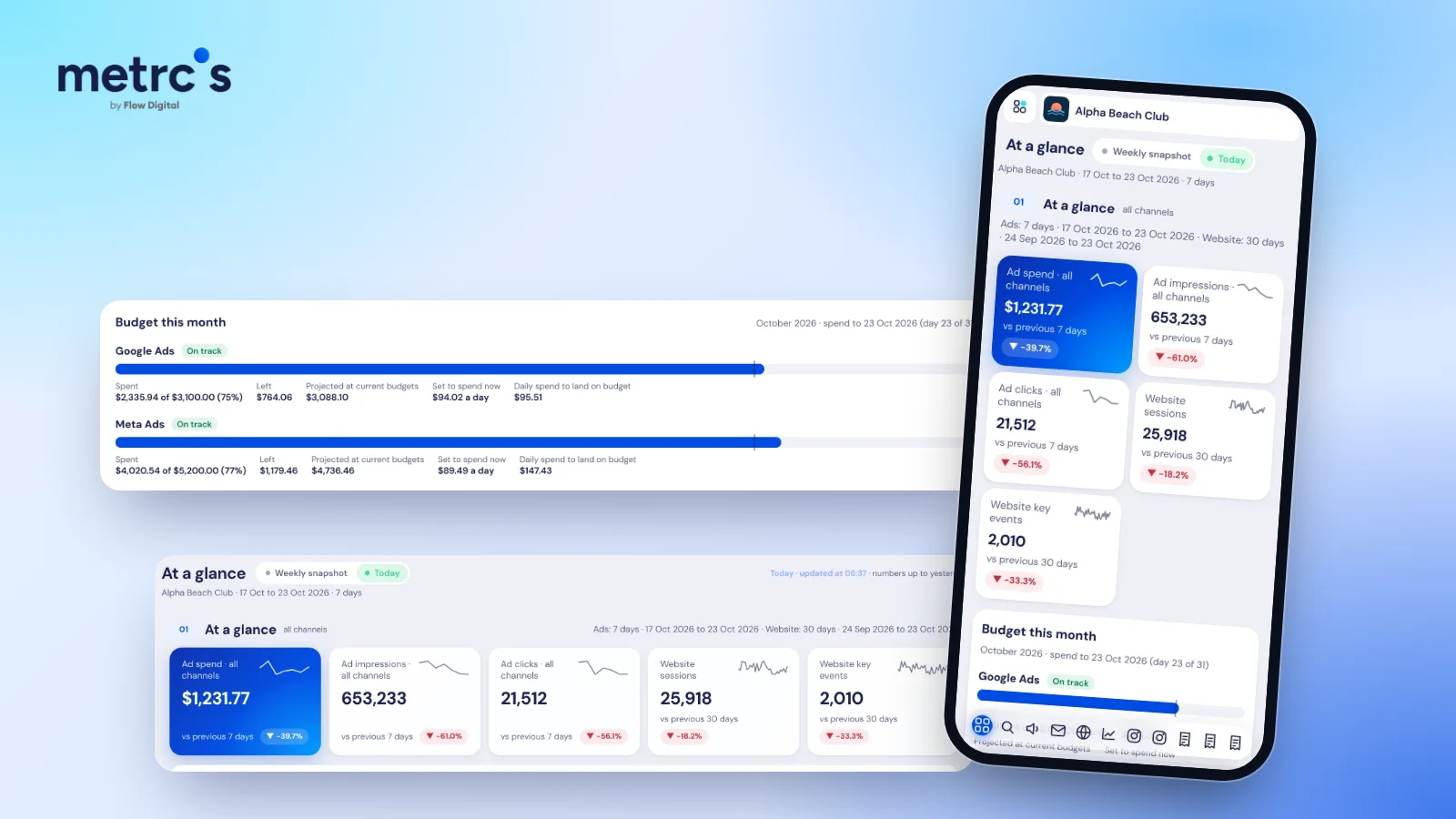
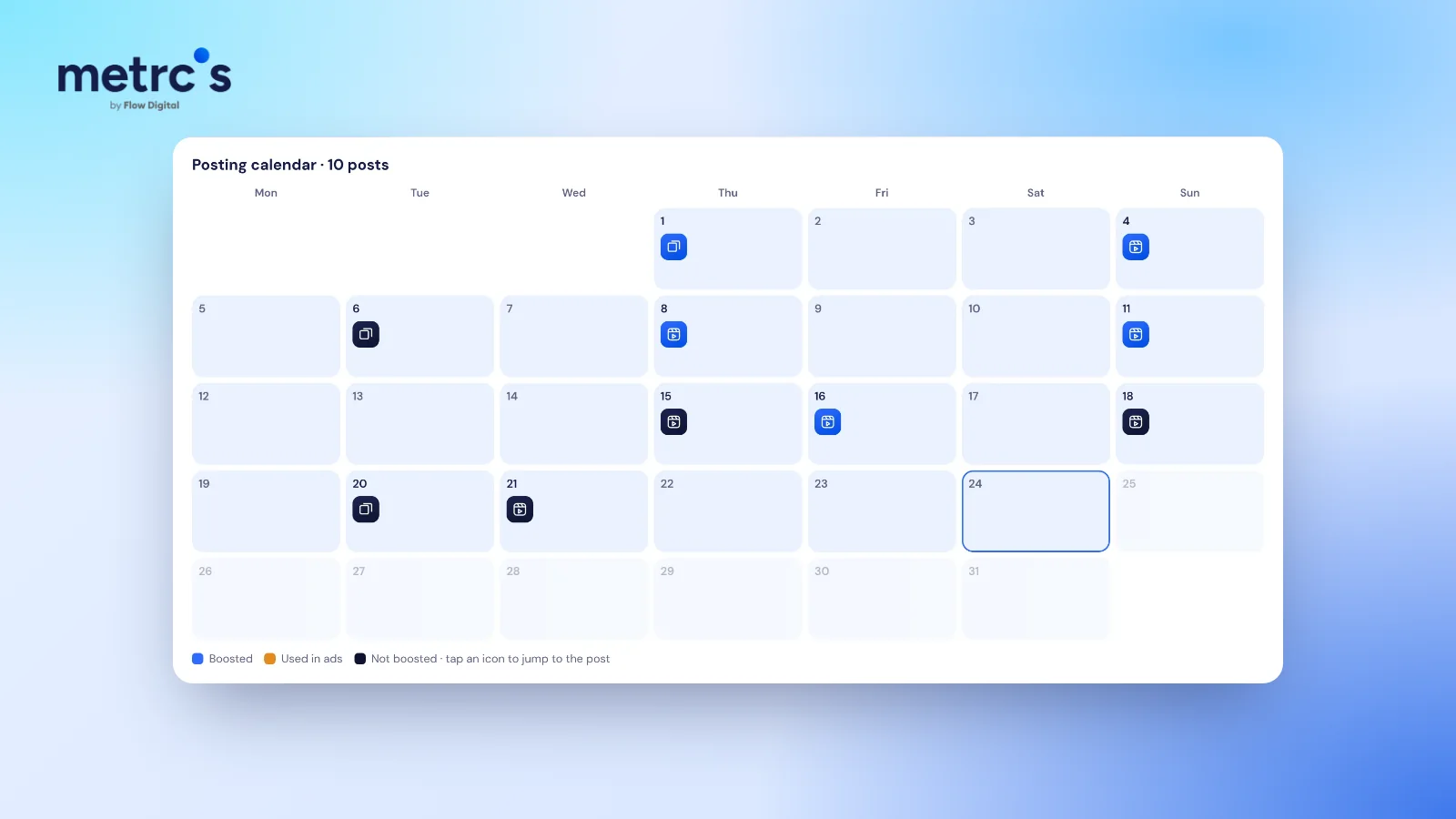
Metrcs shows your Instagram posts on a calendar with likes, comments and whether each was boosted or used in ads, plus a monthly comparison of formats and content themes. Gaps in your posting and your best-performing themes are obvious at a glance, next to the rest of your marketing numbers.
Ardjuna founded Flow Digital, a marketing agency in Bali that runs ads, websites, email and content for its clients. He built Metrcs so the agency could see every client’s marketing on one page and spend less time on reports.